
Elite Class
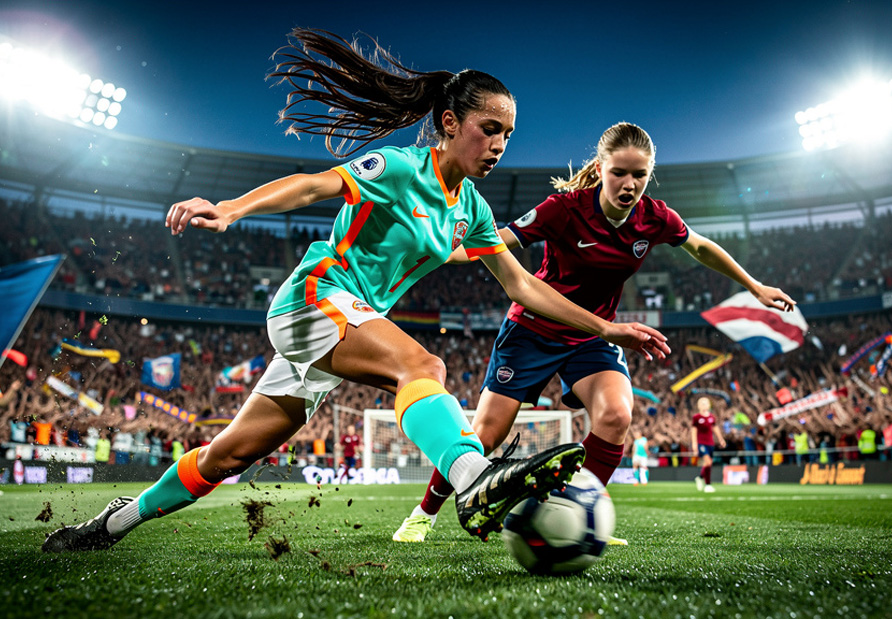
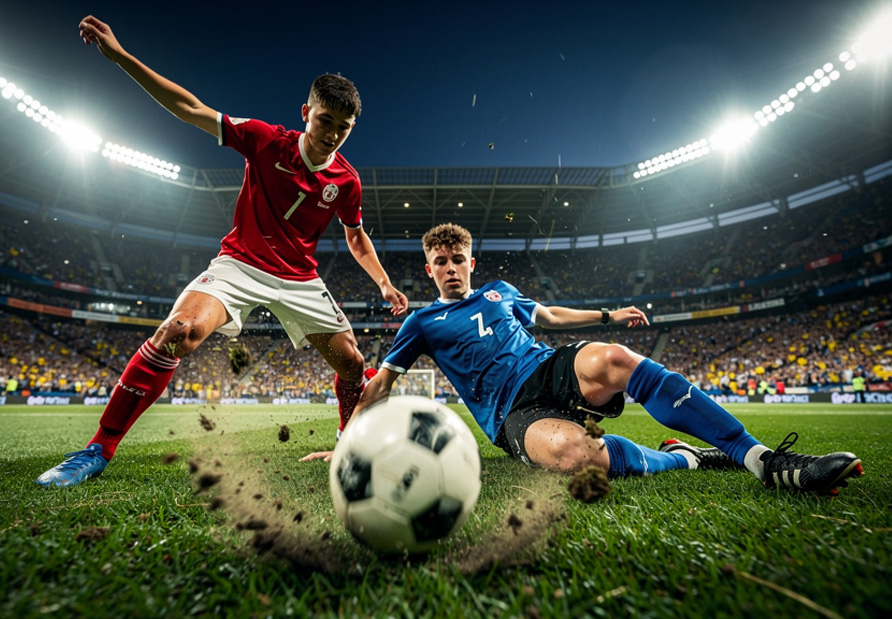
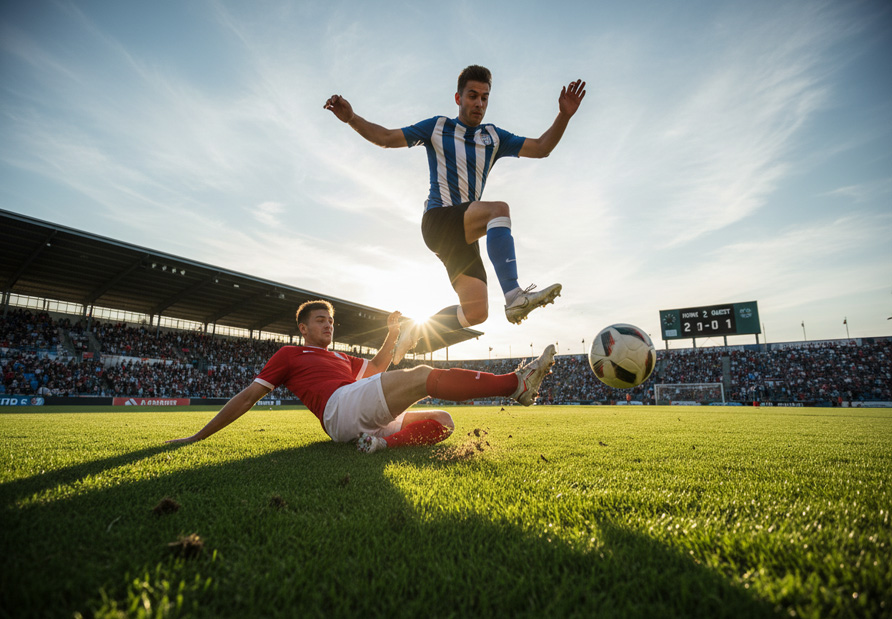
"College Recruitment & Professional Pathways"
Competitive Calendar & Expectations
4.1. Training Frequency
- 3–5 sessions per week (90–120 minutes)
- Strength & conditioning sessions
- Video and tactical classroom sessions
4.2. Competitions
- League play (local & regional)
- Elite tournaments (state, national, international)
- College showcases & combines
- Friendly matches vs. other academies
- International football tours (optional)
- Training Curriculum (Yearly Cycle)
📅 Phase 1: Preseason (8–10 weeks)
Focus: Conditioning, tactical structure, team cohesion
- Fitness testing
- Formation mastery
- Pressing patterns
- Defending principles
- Technical repetition
📅 Phase 2: Competitive Season (12–20 weeks)
Focus: Match strategy, execution, maintenance fitness
- Tactical periodisation
- Microcycles built around weekly fixtures
- Set-piece development
- Opponent analysis
- Game management training
📅 Phase 3: Showcase & College Prep Season (6–10 weeks)
Focus: Exposure, performance consistency, player branding
- Showcase preparation
- Highlight video filming
- Recruitment workshops
- Career pathways seminars
- Player evaluations
📅 Phase 4: Off-Season (6–8 weeks)
Focus: Recovery, strength development, individual projects
- Strength & mobility blocks
- Technical projects
- Mental training
- Next-season reflection
- Positional Development Tracks
6.1. Goalkeepers
- Footwork mastery
- Distribution (short, mid, long-range)
- Shot-stopping & parrying
- 1v1 situations
- Playing as a “sweeper-keeper”
- Cross management
- Communication leadership
6.2. Defenders
- Building from the back
- Defensive body shape
- 1v1 defending
- Aerial dominance
- Line coordination & pressing triggers
- Passing under pressure
6.3. Midfielders
- Scanning and tempo control
- Transition play
- Combination play
- Switching fields
- Press resistance
- Long-range finishing
6.4. Wingers / Attackers
- 1v1 mastery
- Early crossing
- Finishing angles
- Timing runs behind
- Pressing from the front
- Combination play in the final third
- Evaluation System
Three assessments per year:
- Technical grading
- Tactical understanding
- Physical testing
- Psychological & DEER values rating
Tools used:
- Player report cards
- Video analysis sessions
- Fitness and speed tests
- Coach/player meetings
College Recruitment Pathway Support (U15–U17)
- Player profile creation
- Academic preparation
- College matching
- Email templates and outreach training
- Highlight video production
- Showcase support
- College & Professional Pathway Integration
CARAM assists players pursuing:
🎓 College Pathways
- NCAA Division I, II, III
- NAIA
- Junior Colleges
⚽ Professional Pathways
- MLS NEXT
- USL Academy
- Caribbean professional clubs
- International academy trials
🌎 Overseas Opportunities
- Latin American and Caribbean club connections
- Exchange programs
- International showcase tours
- Code of Excellence (U13–U17 Standards)
Every player must uphold:
✔ Arrive early, prepared, and focused
✔ Demonstrate leadership and accountability
✔ Model DEER values at all times
✔ Train with intensity and purpose
✔ Maintain academic excellence
✔ Respect coaches, referees & opponents
✔ Represent CARAM with pride and professionalism
- Program Outcomes (By Age 17)
A graduating CARAM Elite athlete should:
🎯 Possess high-level technical execution
🎯 Understand advanced tactics across multiple systems
🎯 Compete at an intense physical level
🎯 Demonstrate composure, leadership, and discipline
🎯 Have exposure to college/professional pathways
🎯 Be recruitable and marketable
🎯 Be a complete player shaped by DEER values